
Skip to content
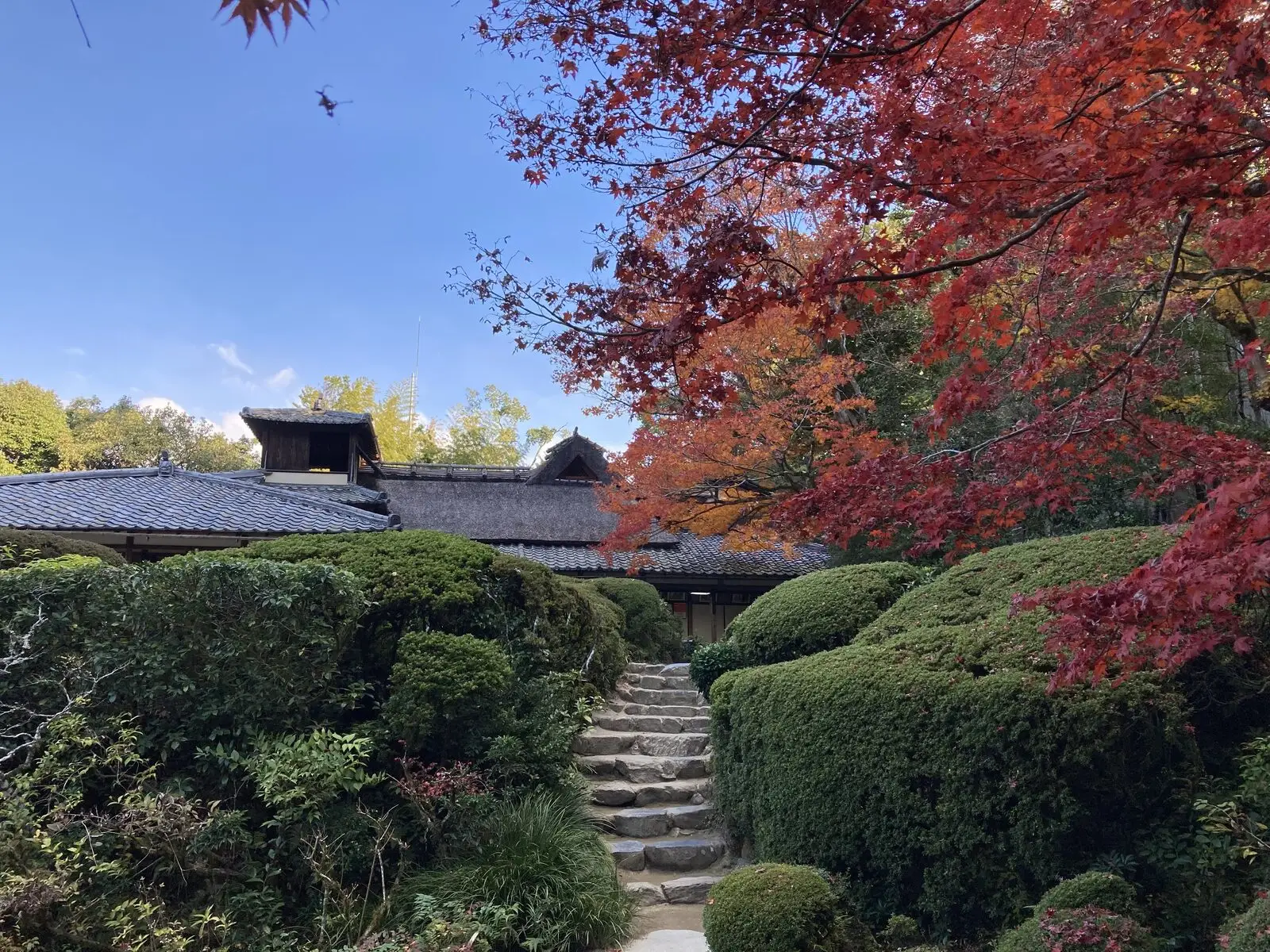
Maples above the garden of Shisen-dō in November

Kyoto in November

Autumn leaves, weather, and how to spend the month. A guide from people who live here.

Updated October 2026 · Written by The SEN, a small team living in Kyoto

November is the month Kyoto is known for. The maples turn from the mountains down into the city over about five weeks, the air is clear and the days are mild. It is also the busiest month of the year, and the difference between a crowded day and a beautiful one is mostly where you are, and at what hour.

Our house, The SEN East, stands in Ichijōji, in the northern foothills, across the lane from Shisen-dō. This is how we would spend November in Kyoto: when the colour reaches each part of the city, where to walk, what to do in the evenings, and how to stay ahead of the crowds.

At a glance

Kyoto in November at a glance

Daytime
Around 19°C at the start of the month, about 13°C by the end
Early morning
About 10°C, falling to around 4°C in the last week
Daylight
Sunrise from a little after six to about 6:40; sunset before five
Rain
One of the drier months: rain on roughly one day in five
Busiest days
Weekends in the second half, and the holidays on 3 and 23 November

Temperatures are typical values for Kyoto city; the mountains are a few degrees colder.

Week by week

When the leaves turn

Early November

Colour in the mountains, calm in the city

The first maples turn in the hills around the city: Takao to the northwest, Kurama and Kibune, and the valley of Ōhara. In town the gardens are still mostly green, with the first touches of red. Hotels are easier to find, and the temples are quieter than they will be in two weeks' time. A good moment for a day in the mountains.

Mid November

The colour comes down into Kyoto

The red moves down the slopes into the northern foothills and Higashiyama. Shisen-dō and the temples of Ichijōji, Eikan-dō, Nanzen-ji and Arashiyama begin to turn in earnest, and the evening illuminations open. Crowds build through the week and peak at the weekend.

Late November

The peak, and the busiest week of the year

Most of the city is at its best, and Tōfuku-ji in the south often reaches its peak around now or a little later. It is also the busiest week of Kyoto's year, especially around the holiday on 23 November. Start at opening time, and keep the middle of the day for places that are not famous for leaves.

The peak moves by a week or so each year with the weather. A warm autumn brings it later; a cold snap brings it on.

Where to go

Where to see the autumn leaves

The northern foothills: Ichijōji

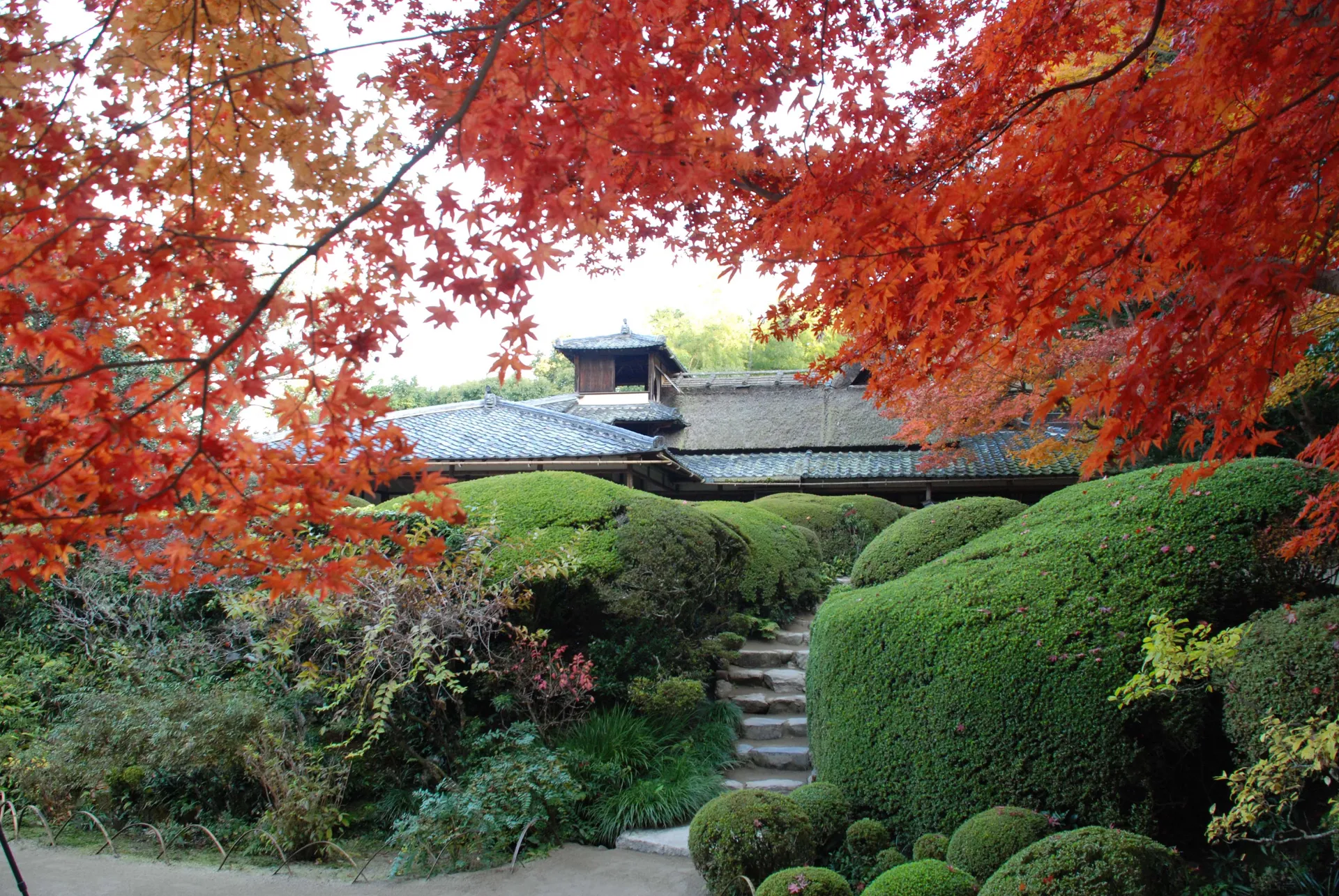
Where our house, The SEN East, stands, and the calmest of the classic maple areas. Shisen-dō, the hermitage the poet Ishikawa Jōzan built in 1641, has a raked garden ringed with maples. Enkō-ji and Manshu-in are a short walk away. In recent years some temples here, Enkō-ji among them, have asked visitors to reserve a time during the peak weeks, so check before you go.

Shisen-dō → Enkō-ji → Manshu-in, about half a day on foot
Higashiyama

Eikan-dō, called 'Eikan-dō of the maples' for centuries, then a short walk to Nanzen-ji's great gate and the old brick aqueduct. Further south, Kiyomizu-dera's wooden stage stands above a hillside of red. Come back in the evening for the illuminations.

Eikan-dō → Nanzen-ji → the Philosopher's Path, a morning

Arashiyama and Sagano

The slopes above the Togetsu-kyō bridge turn red and gold. Tenryū-ji's garden is the centrepiece; walk north for smaller temples such as Hōgon-in, Jōjakkō-ji, Nison-in and the moss garden of Giō-ji, which grow quieter the further you go.

Tenryū-ji → Jōjakkō-ji → Nison-in → Giō-ji, best begun early

The south: Tōfuku-ji

Some two thousand maples fill the ravine below Tsūten-kyō, the covered wooden bridge. The most famous autumn view in Kyoto, and the most crowded. Be at the gate when it opens, and visit the sub-temples' gardens as the crowds arrive.

Opening time, then the sub-temple gardens; about two hours

The mountains: Takao, Ōhara, Kurama

Takao's three mountain temples, Jingo-ji, Saimyō-ji and Kōzan-ji, sit along a river valley northwest of the city and are among the first to turn. Ōhara has Sanzen-in and Hōsen-in. The Eizan Railway towards Kurama runs through a 'maple tunnel' that is lit after dark in autumn.

A full day each; go in the first half of the month

Evenings and food

After the sun goes down

Illuminations

From around mid-November, several temples open again after dark and light their gardens: Eikan-dō, Kiyomizu-dera, Kōdai-ji, Shōren-in and the maple garden at Kitano Tenmangū among them. Entry is usually a separate ticket, the queues can be long, and the dates change each year, so check each temple before you go.

Festivals

The Arashiyama Momiji Festival fills the river with decorated boats on the second Sunday of November. On 8 November, Fushimi Inari holds its fire festival, Hitaki-sai, when thousands of prayer sticks are burned.

What to eat

Chestnuts, persimmons and the end of the matsutake season; the first hot-pot evenings; and wagashi shaped like maple leaves and chestnuts. Restaurants for late November fill weeks ahead, so book dinners when you book your hotel.

Practical tips

November in Kyoto, done well

  • Start at opening time. Most temples open around 8:30 or 9:00, and the first hour is the quiet one. With sunset before five, the day is short: plan from the morning.
  • Choose weekdays, and avoid 3 and 23 November if you can. These are national holidays, and the weekends either side are the busiest of the season.
  • Take trains and walk. City buses are slow and full in autumn. The Keihan, Eizan and JR lines, and your own feet, are faster.
  • Dress in layers. Mornings can be cold, especially late in the month, and afternoons mild. You will take your shoes off in many temples, so warm socks help.
  • Carry some cash. Many temples still take cash only for entry.
  • Book early. Hotels and well-known restaurants for the second half of November fill months ahead.
Maples over the garden of Shisen-dō in autumn

A quiet November morning

Shisen-dō's maples, before anyone else arrives

Even in the busiest weeks of November, Shisen-dō does not open to the public until nine. We go at eight, for one party only: zazen with the priest of Shisen-dō facing the maples, then tea and wagashi at The SEN East, directly across the lane.

Good to know

Kyoto in November: your questions

Is November a good time to visit Kyoto?

Yes. It is one of the two most beautiful times of the year, with the autumn leaves, clear skies and comfortable days. It is also one of the busiest, so start early, choose weekdays and book ahead.

When do the autumn leaves peak in Kyoto?

In the city, usually from mid-November to early December. The mountains around Kyoto (Takao, Kurama, Ōhara) turn first, from early November, and Tōfuku-ji in the south is often among the last. The exact week moves with the weather each year.

What is the weather like in Kyoto in November, and what should I wear?

Days are mild, around 19°C at the start of the month and about 13°C by the end, and mornings are cool, down to around 4°C late in the month. Bring layers, a light coat or warm jacket, comfortable shoes you can slip off, and warm socks.

How can I avoid the crowds in Kyoto in November?

Arrive at opening time, choose weekdays, and avoid the holidays on 3 and 23 November. Visit the most famous places first and keep the middle of the day for quieter temples. Or go where the crowds do not: the northern foothills around Ichijōji, or a temple seen before it opens to the public.

Do I need to book in advance for Kyoto in November?

For hotels and popular restaurants, yes, often months ahead for the second half of the month. Some temples also ask for timed reservations during the peak weeks, and most illuminations sell separate tickets.

Let us plan your November in Kyoto

Tell us your dates and how you like to travel. We will build the days around the leaves, the quiet hours and the tables worth booking.