
01
Fushimi Inari Taisha
The thousand vermilion gates. Climb past the first crowded switchbacks and within twenty minutes the mountain is almost yours. Best at dawn or after dark.
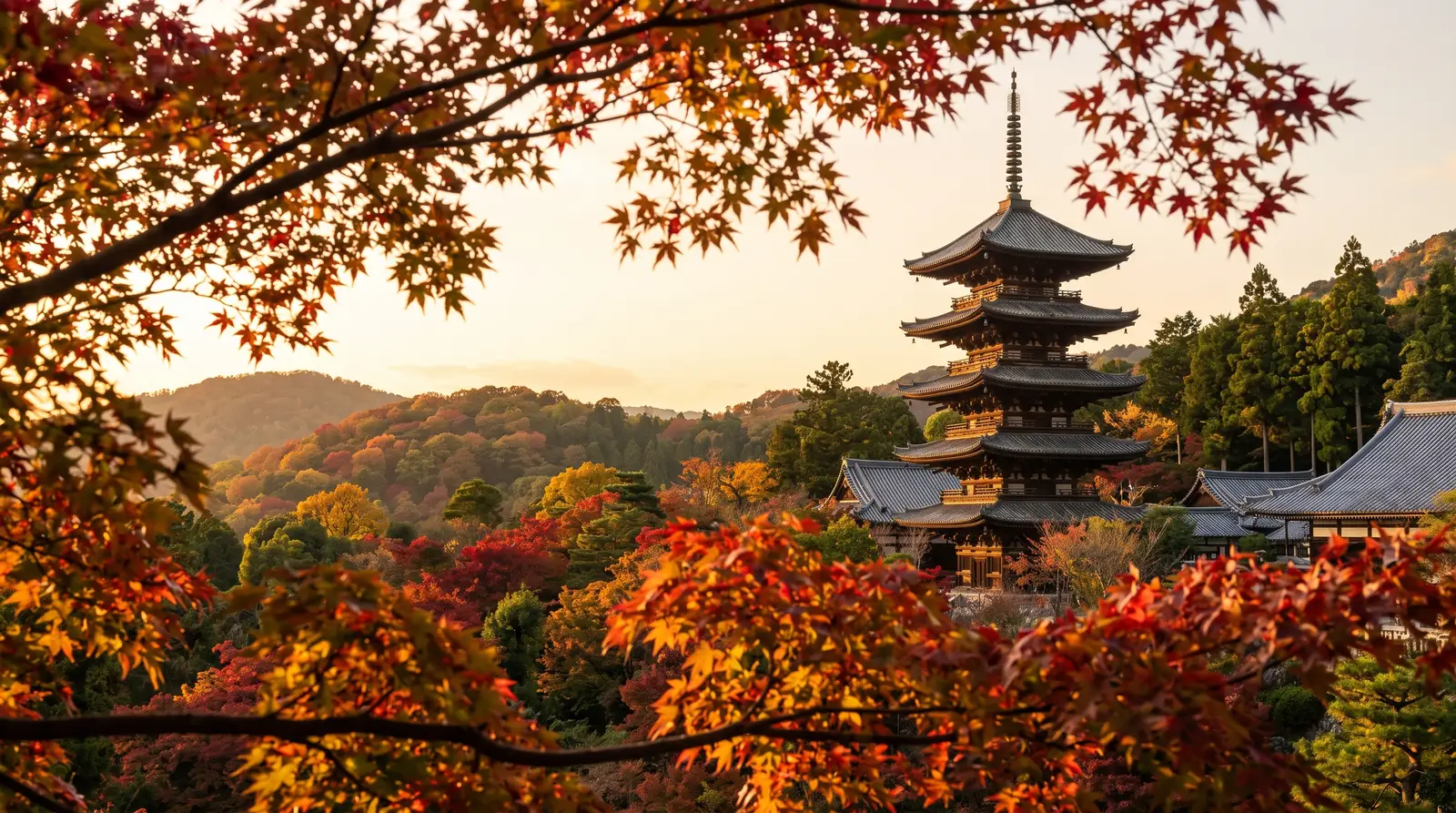
The famous sights at the right hour, and the quieter ones we keep for our guests. Chosen by people who live here.
Updated October 2026 · Written by The SEN, a small team living in Kyoto
Search 'things to do in Kyoto' and the same names appear: the golden temple, the bamboo grove, the thousand gates. They earn their fame, and we will tell you the hour to see them well.
But the Kyoto we know best is quieter, and much of it is unlisted: a counter, a workshop, a garden whose keepers ask not to be named. We open those places to you privately, for the few who wish to go further in.
The Kyoto everyone comes for
The thousand vermilion gates. Climb past the first crowded switchbacks and within twenty minutes the mountain is almost yours. Best at dawn or after dark.
The gold pavilion mirrored in its pond. Small, and busy by ten. Come at opening and stand at the far side of the water for the reflection.
The green tunnel everyone photographs. Loveliest, and quietest, in the first light, before the tour buses reach the west of the city.
The great wooden stage over the hillside. Go up through Ninen-zaka early, then let the slopes fill behind you as you come down.
Stone streets, wooden machiya, the chance of a geiko at dusk. Wander Hanamikoji and Shirakawa in the evening, camera low and quiet.
'Kyoto's kitchen', five narrow blocks of pickles, tofu, knives and sweets. Go hungry, mid-morning, before the lunch crush.
The silver pavilion's raked sand and moss, then a canal walk under the trees toward Nanzen-ji. An easy, beautiful half-day on foot.
The most famous dry garden in Japan: fifteen stones you can never quite see all at once. Sit, and give it the ten quiet minutes it asks for.
The shogun's Kyoto residence, with 'nightingale' floors that sing underfoot and screens of gold. Grand, and rarely as crowded as the temples.
A lantern-lit alley barely two metres wide, and the riverbank where the whole city comes to sit at dusk. Dinner here, then a walk by the water.
Forty minutes by train. Nara for the great bronze Buddha and the bowing deer; Uji for green tea at its source and Byodo-in, the temple on the ten-yen coin.
Special things to do in Kyoto
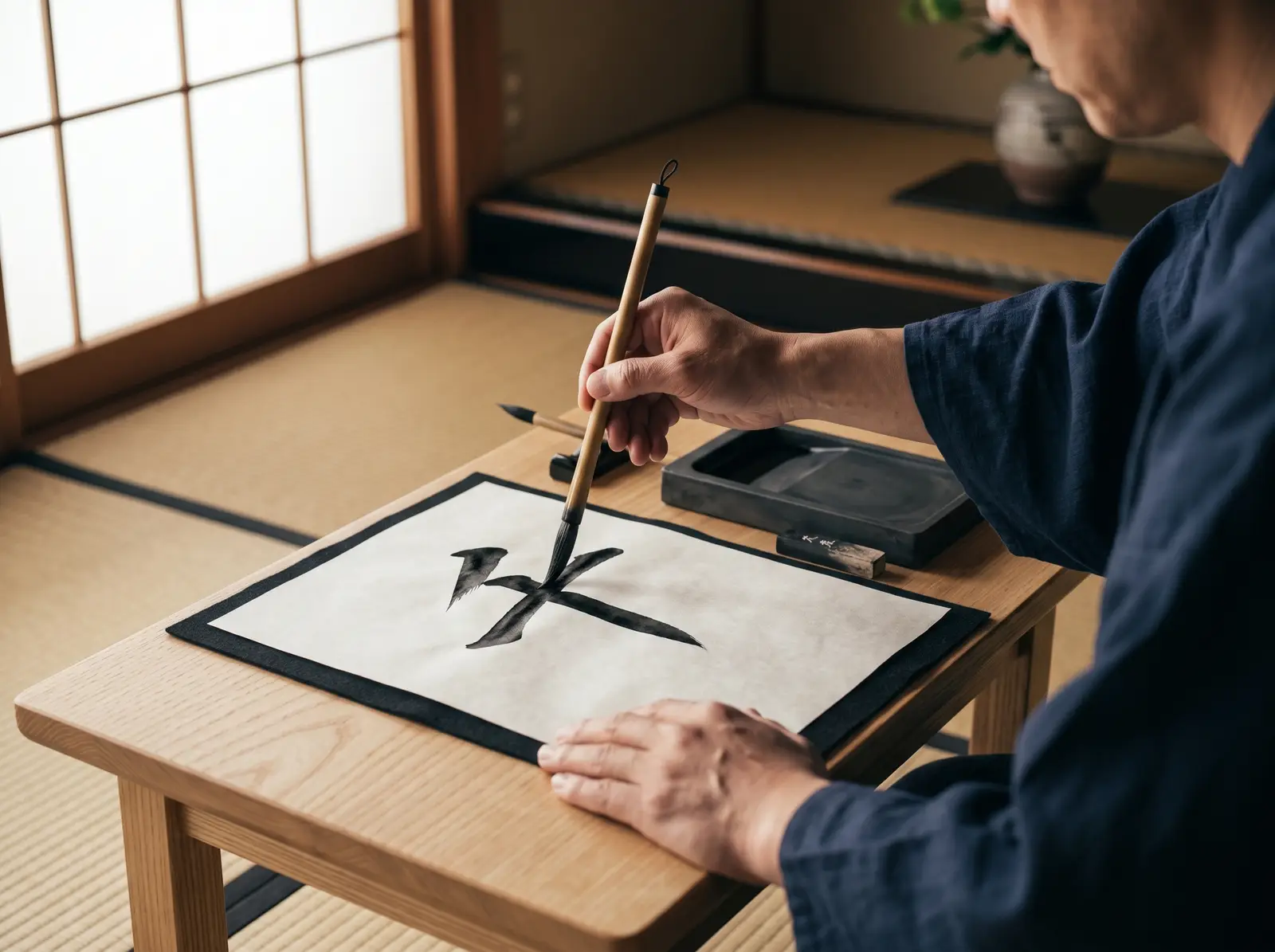
Most visitors watch a demonstration. We arrange the opposite: a private lesson with a teacher who has spent a lifetime with the brush, inside a genuine Kyoto townhouse rather than a hall built for tour groups. You grind the ink, you make the strokes, and you carry home what you wrote.
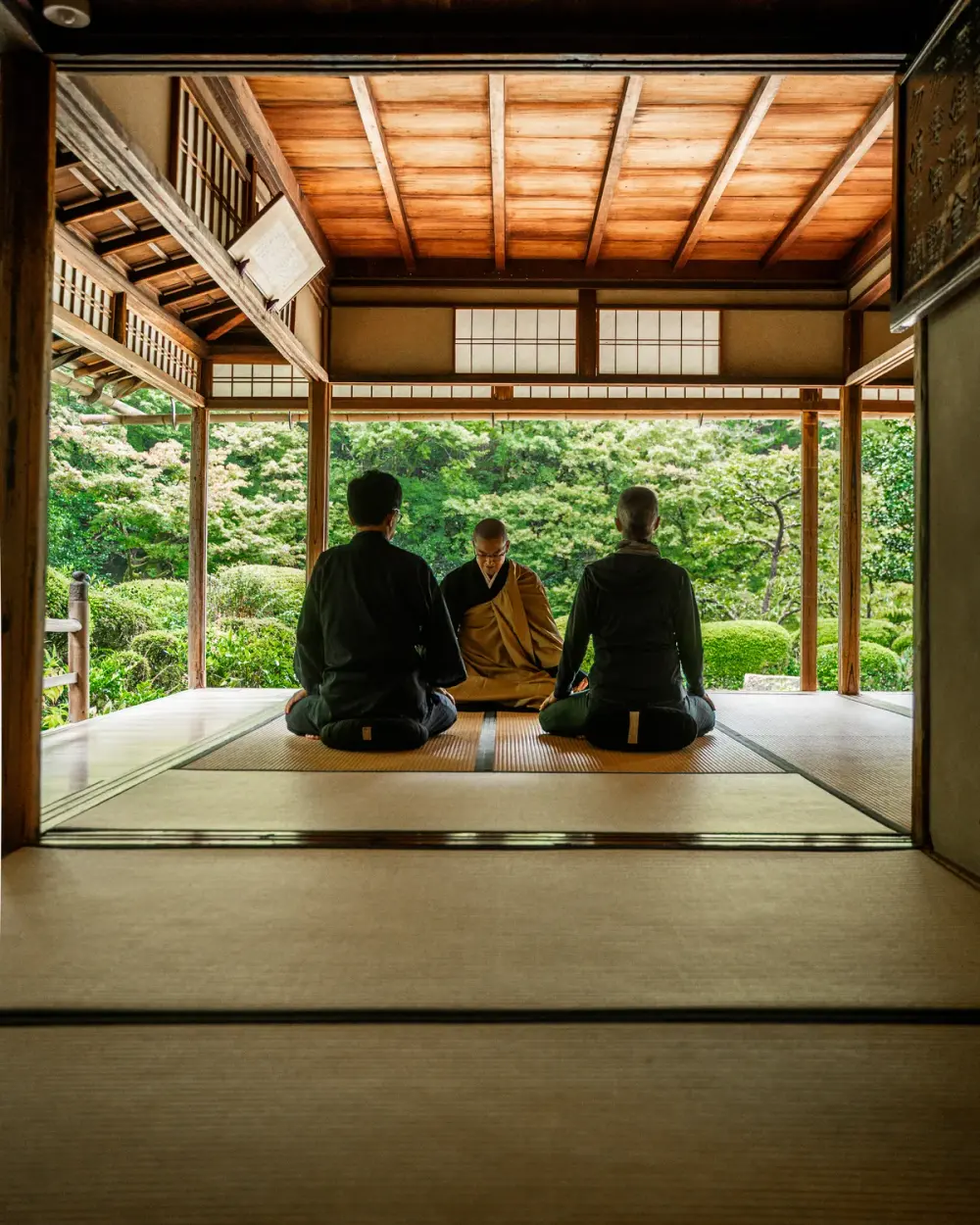
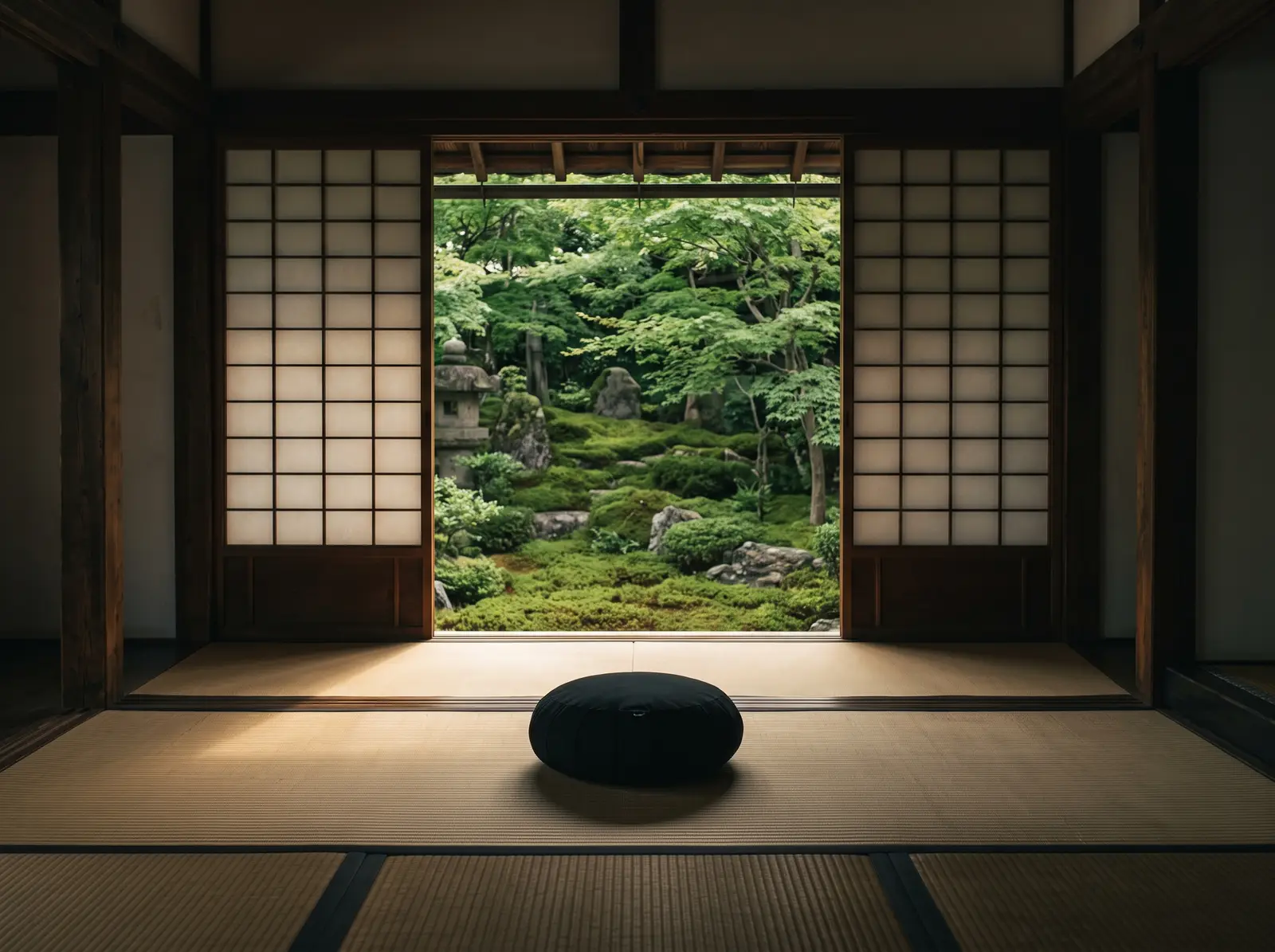
Shisen-dō, the hermitage the poet Ishikawa Jōzan built in 1641 in the northern foothills, opens to the public at nine. At eight it is held for one party only. The priest of Shisen-dō leads a short zazen facing the garden, and the only sound is the bamboo sōzu knocking in the stream. Even people who live in Kyoto rarely see it this quiet.
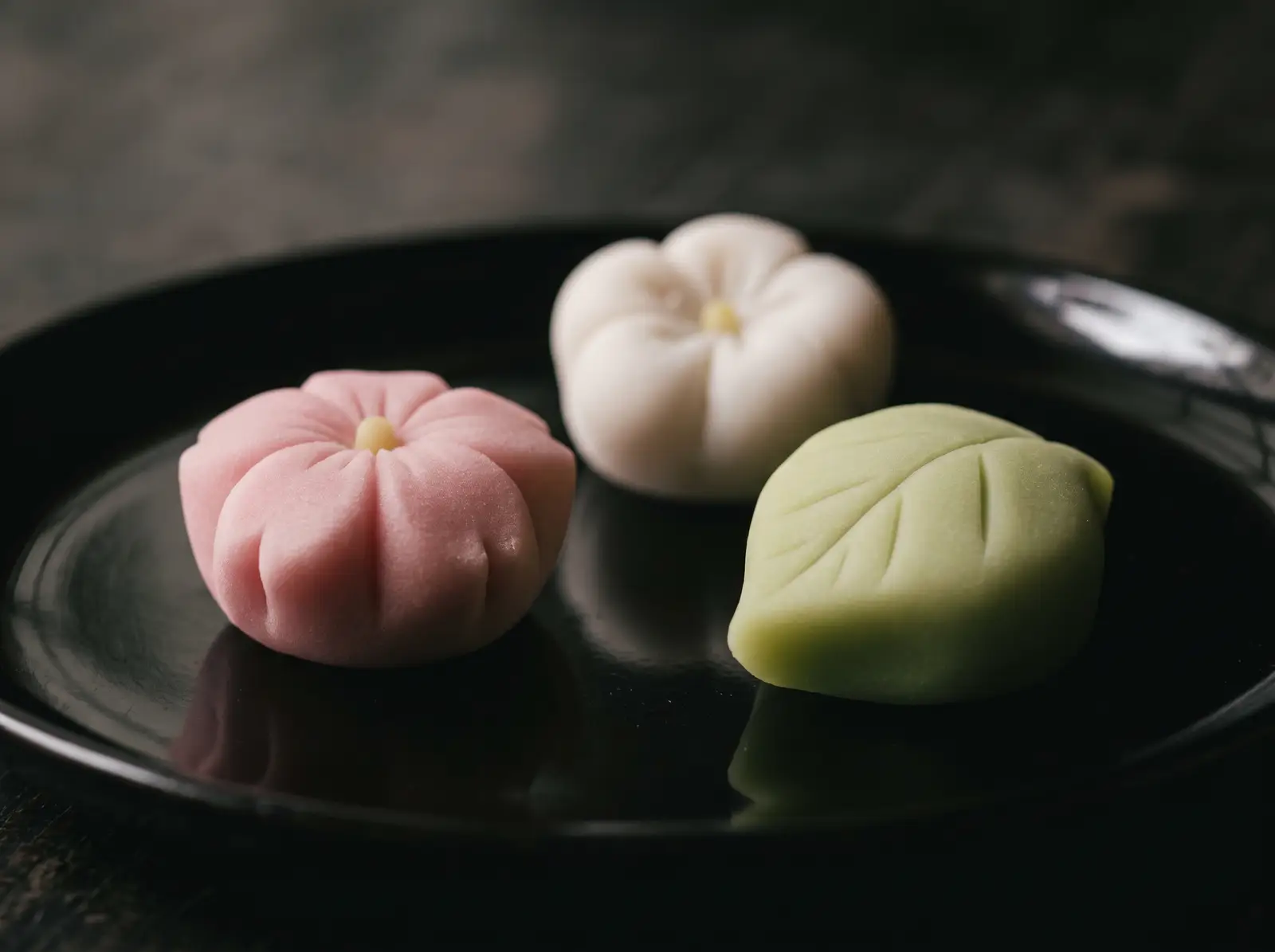
Nothing to perform, and no etiquette to worry about. You sit in a quiet room, a bowl of matcha is brought to you, and with it a wagashi sweet made for the season. There is nowhere else to be for the next hour, which is the whole point.
Kinkaku-ji, Ryoan-ji, Kiyomizu-dera, Fushimi Inari. They are crowded by mid-morning and quiet just before. The difference is the hour you arrive and the order you visit, and that is the part we plan for you.
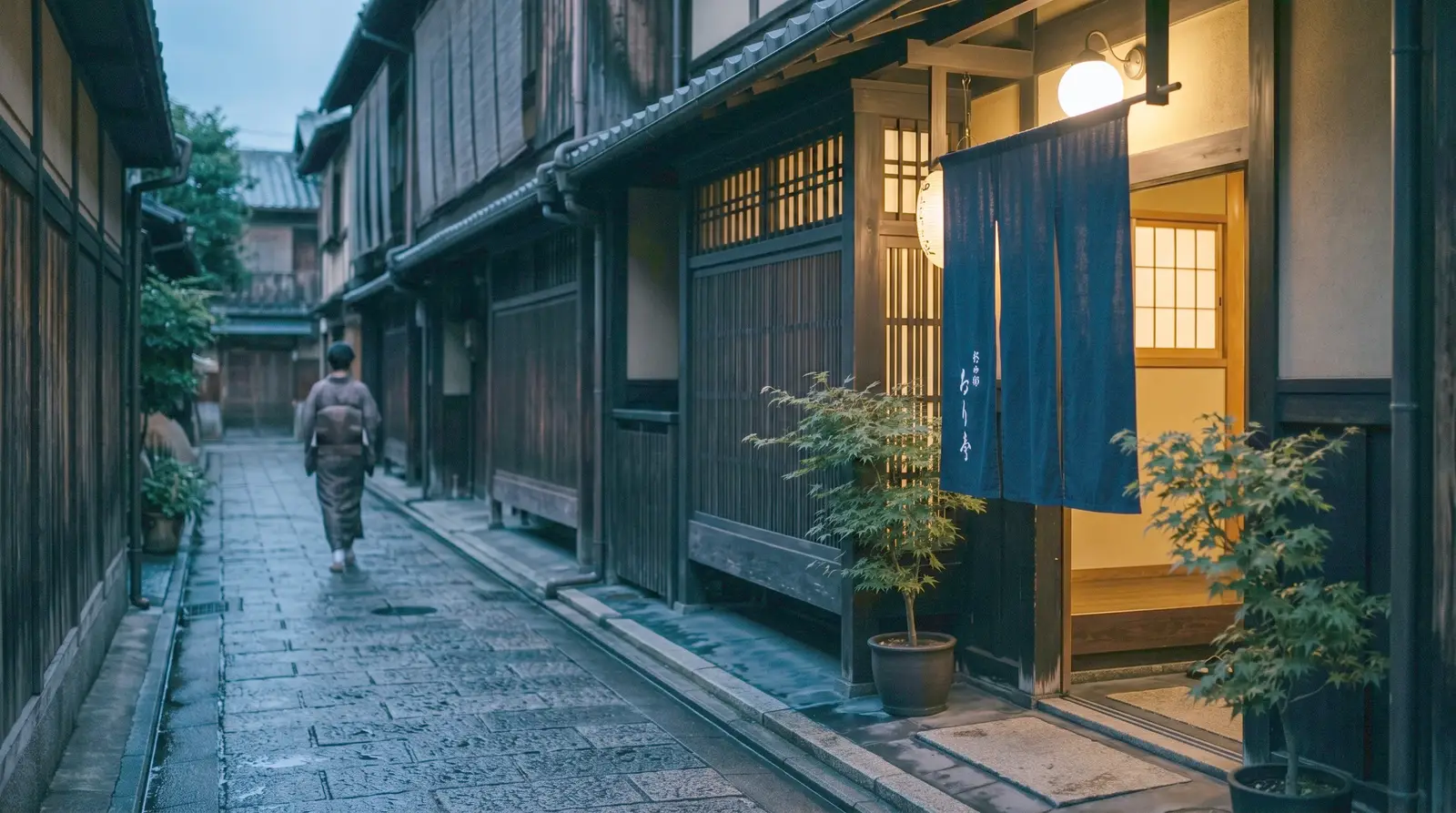
Kyoto is still full of workshops. An obi weaver in Nishijin, a potter near Kiyomizu, a paper maker up in the northern hills. With word sent ahead, a studio that takes no visitors will keep an afternoon free. You watch, you ask, and sometimes a tool is put in your hands.
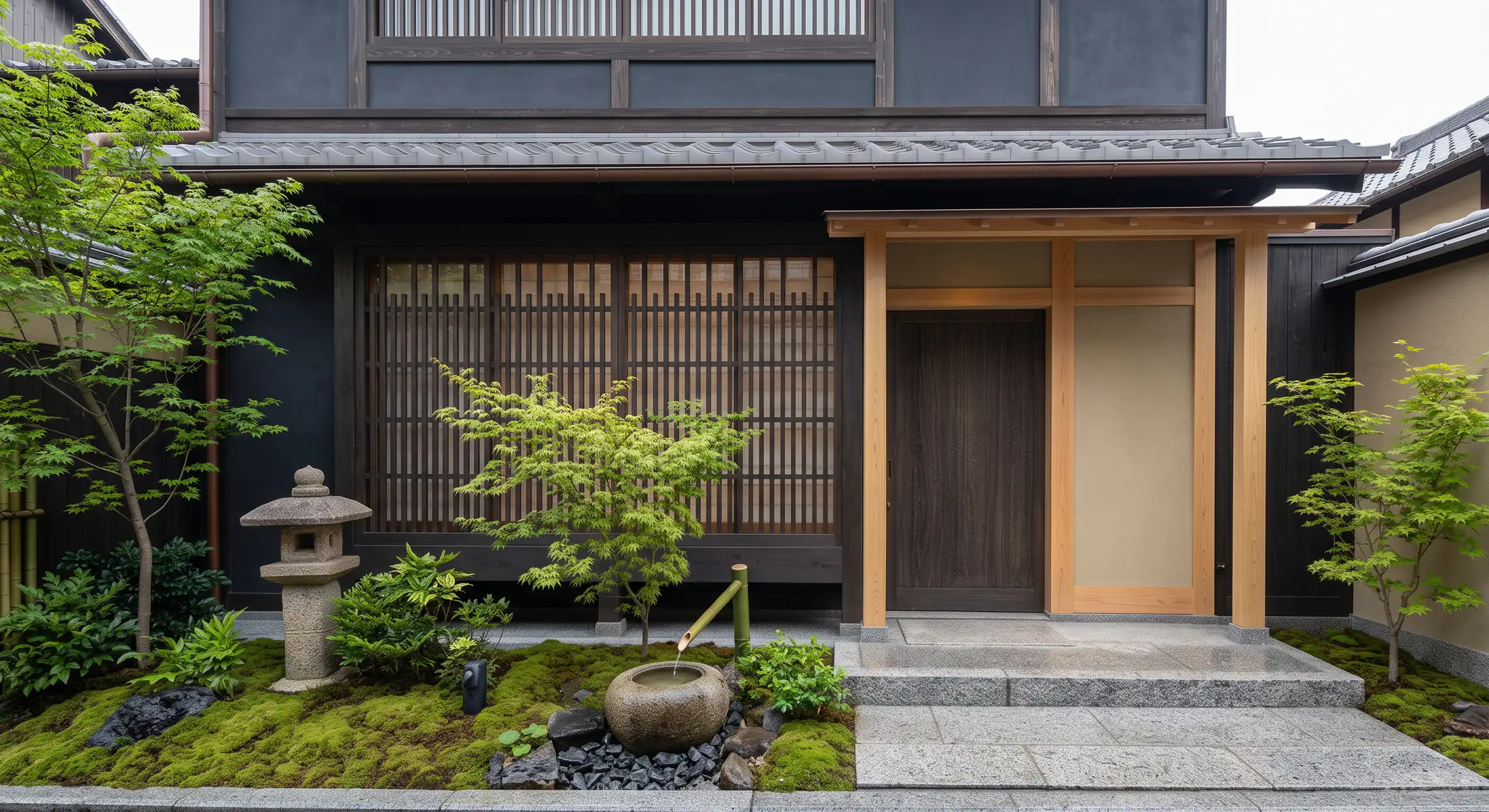
Some of the best meals in Kyoto are behind counters that turn away anyone they do not know. A kaiseki house with one seating a night. A chef who cooks for eight. These seats are booked through people, not websites, and finding them is most of what we do.
Autumn leaves
November is the month many people wait all year for. The maples turn from the mountains down into the city over about five weeks, so where you go depends on when you come. Here is how we would spend it.
The northern hills
From early November
Takao, Kurama, Ōhara
The city and Higashiyama
Mid to late November
Eikan-dō, Nanzen-ji, Kiyomizu-dera, Shisen-dō, Arashiyama
The south
Late November to early December
Tōfuku-ji
The peak moves by a week or so each year with the weather. For our guests, we check the trees in the days before.
A ravine of some two thousand maples, seen from Tsūten-kyō, the covered wooden bridge. The most famous autumn view in the city, and the most crowded: be there at opening.
Called 'Eikan-dō of the maples' for centuries. Climb to the Tahōtō pagoda for the view over the roofs; in season the garden is lit after dark.
The wooden stage floating over a hillside of red. Its autumn night viewing is one of the great sights of the season.
The great Sanmon gate framed in maples, and the old brick aqueduct behind the temple. An easy walk on from Eikan-dō.
Maples across the slopes above the Togetsu-kyō bridge, and quieter temples to the north such as Hōgon-in and Jōjakkō-ji.
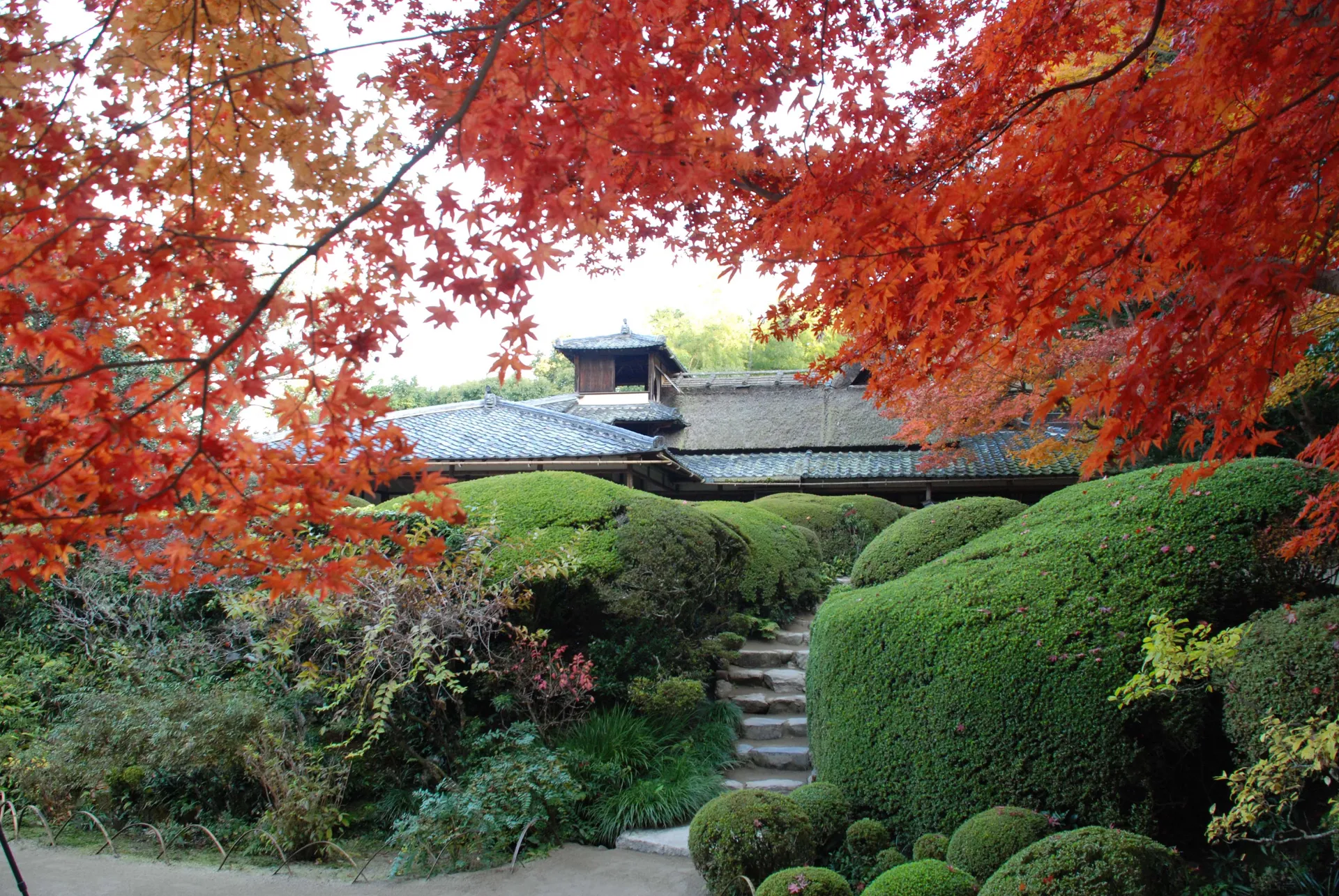
A poet's hermitage of 1641 in the northern foothills, its raked garden ringed with maples. Enkō-ji and Manshu-in are close by for a quiet morning walk. Our house, The SEN East, stands a minute away.
Three mountain temples, Jingo-ji, Saimyō-ji and Kōzan-ji, along a river valley northwest of the city. Among the first in Kyoto to turn.
Sanzen-in and Hōsen-in in a valley about an hour north: moss, maples and cooler mountain air.
A quiet autumn morning
In November, the busiest month of the year, Shisen-dō opens to the public at nine. We go at eight, for one party only: zazen with the priest of Shisen-dō facing the maples, then tea and wagashi at The SEN East, directly across the lane.
Good to know
The icons most visitors come for: Fushimi Inari, Kinkaku-ji, Arashiyama's bamboo grove, Kiyomizu-dera, Gion, and Nishiki Market. They are worth seeing, and best early. We suggest the quiet hour, and the order to visit them.
Temples and Zen gardens, the geisha culture of Gion, kaiseki cuisine, tea, kimono, and traditional crafts. It was Japan's capital for over a thousand years, and those living traditions are still everywhere.
Three full days cover the famous sights without rushing. Four or five let you add a private experience, a day trip to Nara or Uji, and time simply to wander a quiet neighbourhood.
The private ones you rarely find listed: zazen at Shisen-dō before its gates open, calligraphy with a master in a real townhouse, a hidden artisan's workshop, a counter dinner arranged through people. These are the experiences we arrange.
Go where locals go: a neighbourhood temple at dawn, an artisan's studio, a one-seating kaiseki house, a walk in the northern hills. The famous sites are wonderful; the quiet ones are the ones that stay with you.
Late March to early April for cherry blossoms, and mid-November to early December for autumn leaves, are the most beautiful and the busiest. May and early June are green, warm, and much calmer.
In the city, usually mid-November to early December. The northern hills (Takao, Kurama, Ōhara) turn first, from early November, and Tōfuku-ji in the south is often among the last. The exact week moves with the weather each year.
See the maples at Tōfuku-ji, Eikan-dō, Kiyomizu-dera and Arashiyama, go early in the day, and stay for an evening illumination. For a calmer morning, Shisen-dō and the temples of Ichijōji in the northern foothills are a quiet alternative to the busiest spots.
None of this has to be booked piece by piece. Tell us how you like to spend a day, and we build the trip around it, from the first idea to the day you fly home. To begin with a single morning, the cultural experience is the easiest way in.